
Your Cart is Empty


Welcome back to Rigs We Dig, our monthly series highlighting the people behind thoughtfully built adventure vehicles. Geo Jenkins’ rig isn’t just how he travels, it’s how he works. As a photographer and videographer, his truck doubles as both home base and mobile studio, shaped by long days on the road and constant iteration. We caught up with Geo to talk about how the build evolved, what actually matters after living out of a rig, and the lessons you only learn by putting real miles on it.
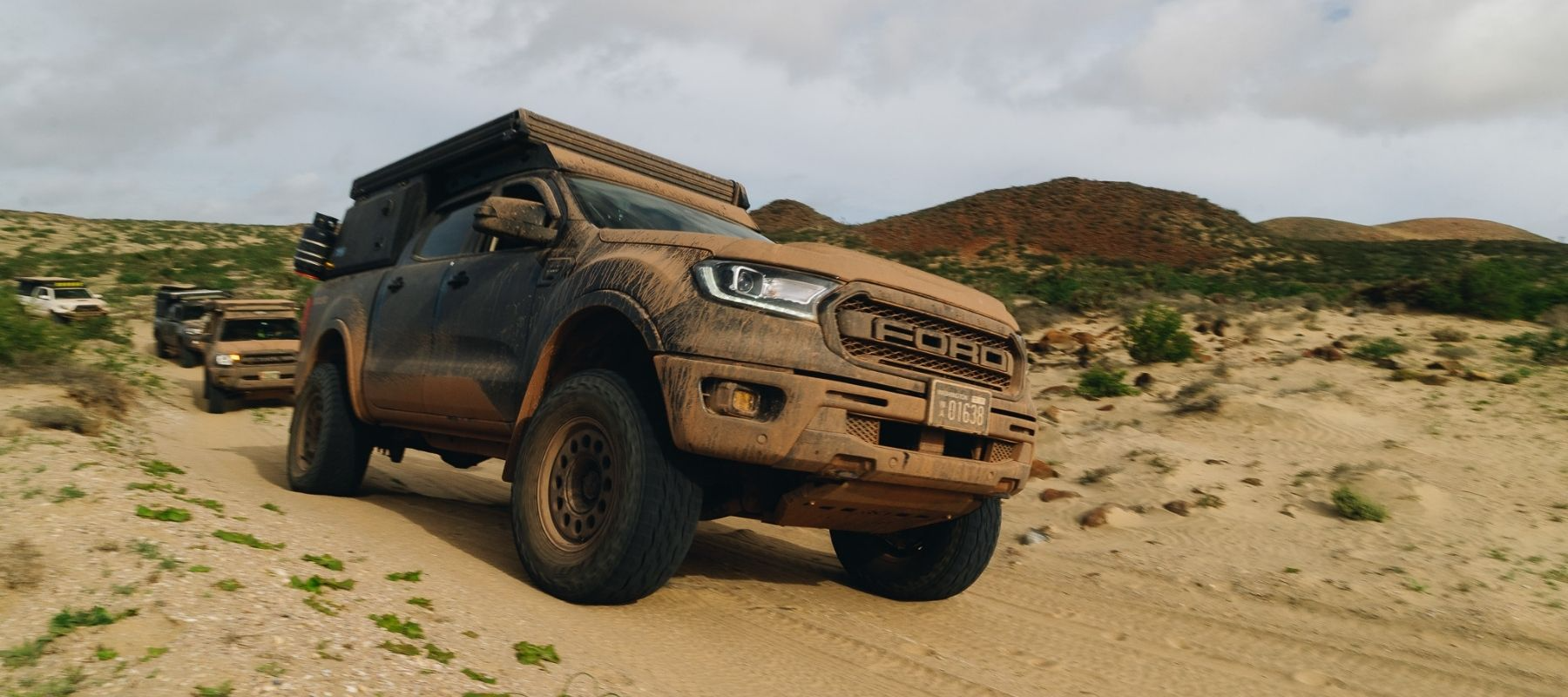
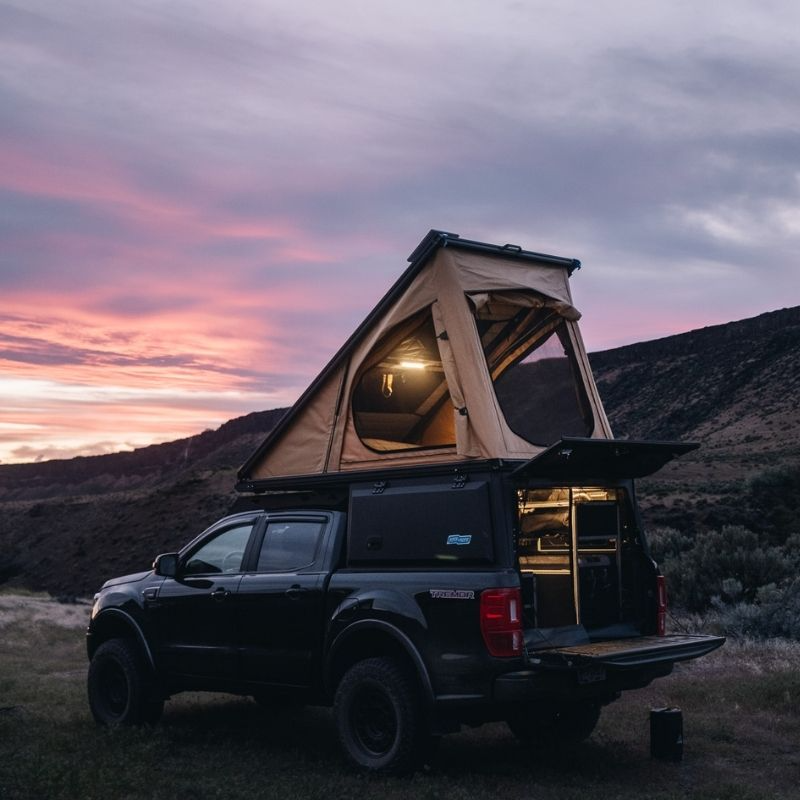
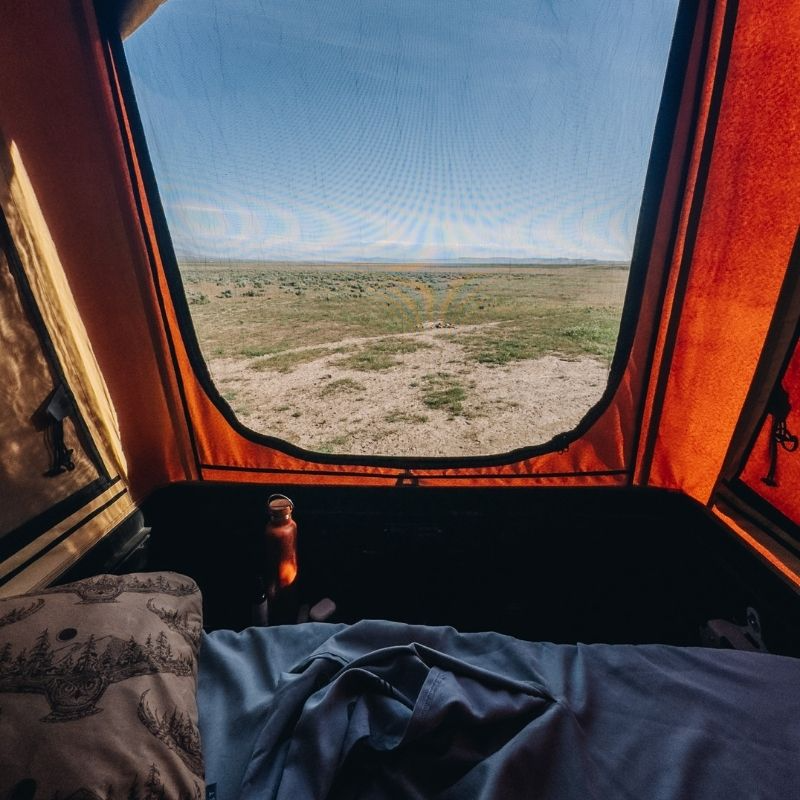
Your Name: Geo Jenkins
Location: PNW
Rig Nickname: Shadow
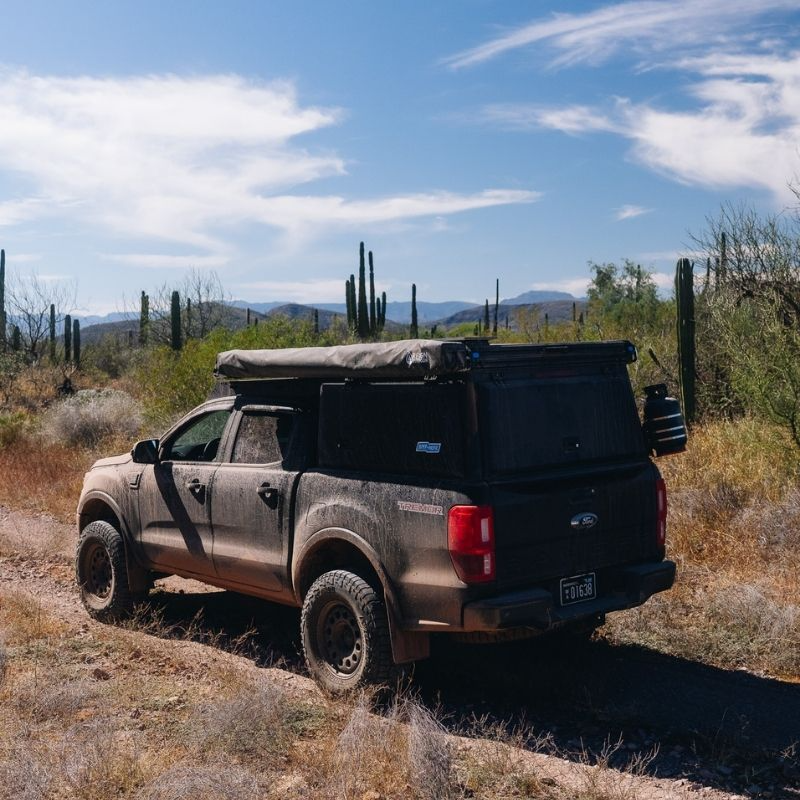
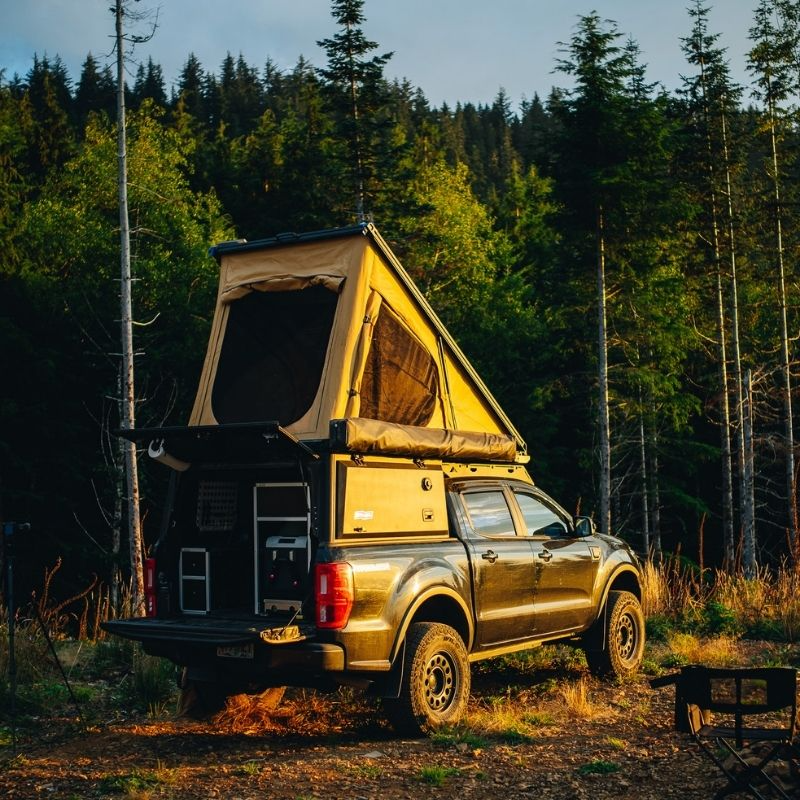
Make & Model: Ford Ranger with Super Pacific X1 Camper
Year: 2021
HEST products: Foamy (standard) x2, Fitted 50, Comforter, Camp Pillows, Pillowcases, & Seat Cushion,
What made you choose the Ford Ranger as your base?
Can you give us a top highlight overview of your buildout and its key features?
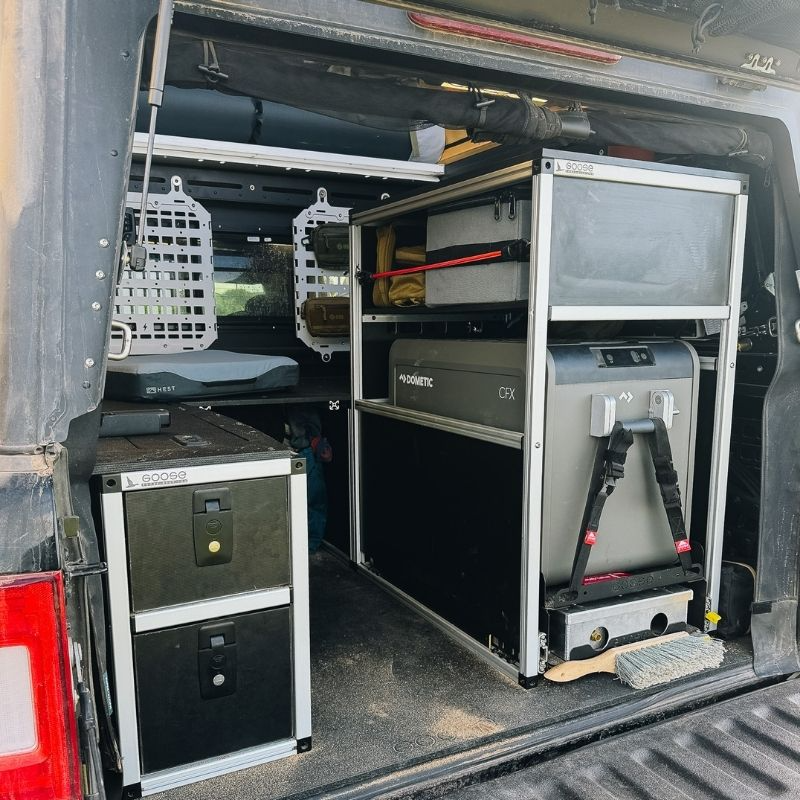
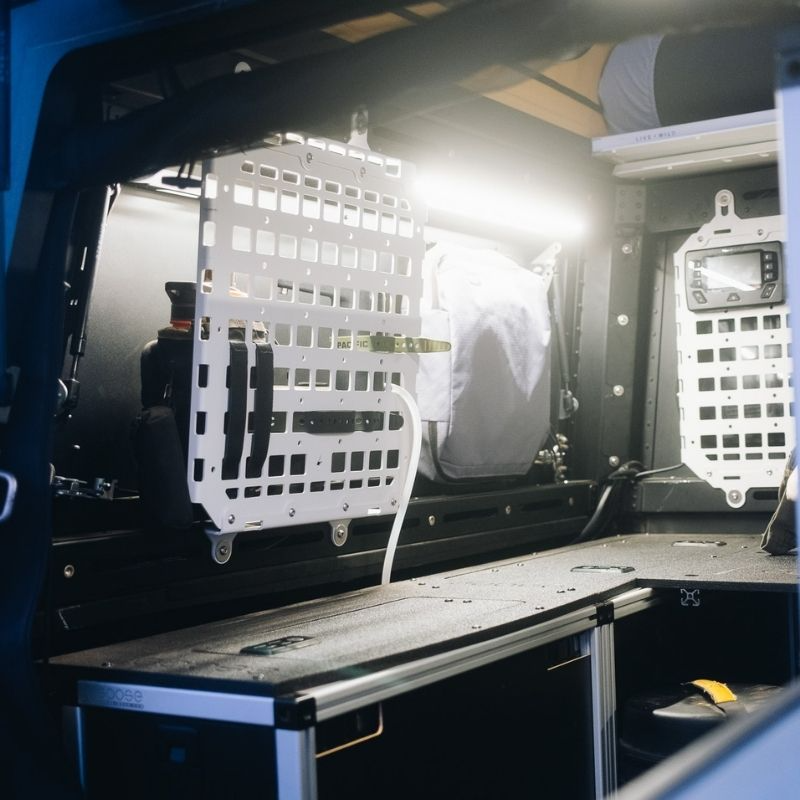
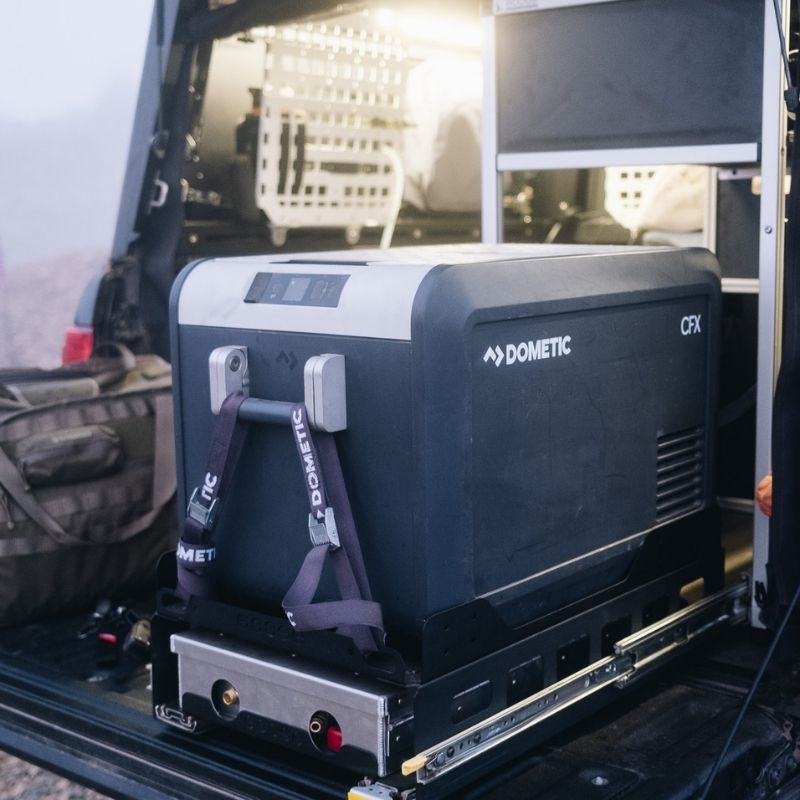
At the heart of the build is the Super Pacific X1 camper, paired with a full Goose Gearcamper interior system. I replaced a previous DIY rear setup with Goose Gear’s modular platform for a more refined, durable, and purpose-built layout that better supports long-term travel. Inside the camper, the left side features a bench with integrated drawers and dedicated storage space for my HEST gear and other essentials. The right side includes a work surface table along with a pull-out fridge and stove-style slide, allowing me to prep and cook comfortably no matter how remote the location. The layout keeps everything organized, accessible, and secure while maintaining an open, livable interior. My decision to go with Goose Gear actually started inside the cab, where I installed their rear seat delete and drawer system to maximize storage and create secure, lockable compartments. That system worked so well that it made sense to continue the same design language and modular approach into the camper.
Key Features:
The goal was to build a modular, four-season rig that can pivot seamlessly between quick Pacific Northwest weekend trips and extended Baja-style expeditions — comfortable enough to truly enjoy, yet rugged enough to trust in remote environments.
What were your main goals or priorities when designing and building your rig?
Ultimately, I wanted a rig that encourages me to go more often — less friction, more adventure.
What were some of the biggest challenges you faced during the build process?
Balancing weight and functionality was the biggest challenge. Every added feature adds capability — but also weight and cost. Staying disciplined about what I actually use versus what looks good on paper took time. Supply chain timing and coordinating installs between brands also required patience.
How many dollar signs on a scale of 1 to 5 is your build (5 being the highest)?
$$$ It’s definitely been a serious investment, but it was built intentionally in phases rather than all at once. I started with the core foundation and upgraded or swapped components as real-world use exposed what was needed. That approach allowed me to refine the build over time instead of overbuilding from day one.
For me, it’s a long-term platform — something I plan to use for years across trips, expeditions, and content projects — so the incremental investment has been well worth it.
What products, brands, or upgrades are you most excited about in your rig?
How much time and effort did the entire process take, and was it worth it?
The biggest lesson? Build in phases.
Use the rig, learn what you actually need, then refine. And yes — absolutely worth it. It’s enabled trips I wouldn’t have taken otherwise.
What’s one feature in your rig that you’ve learned you cannot live without?
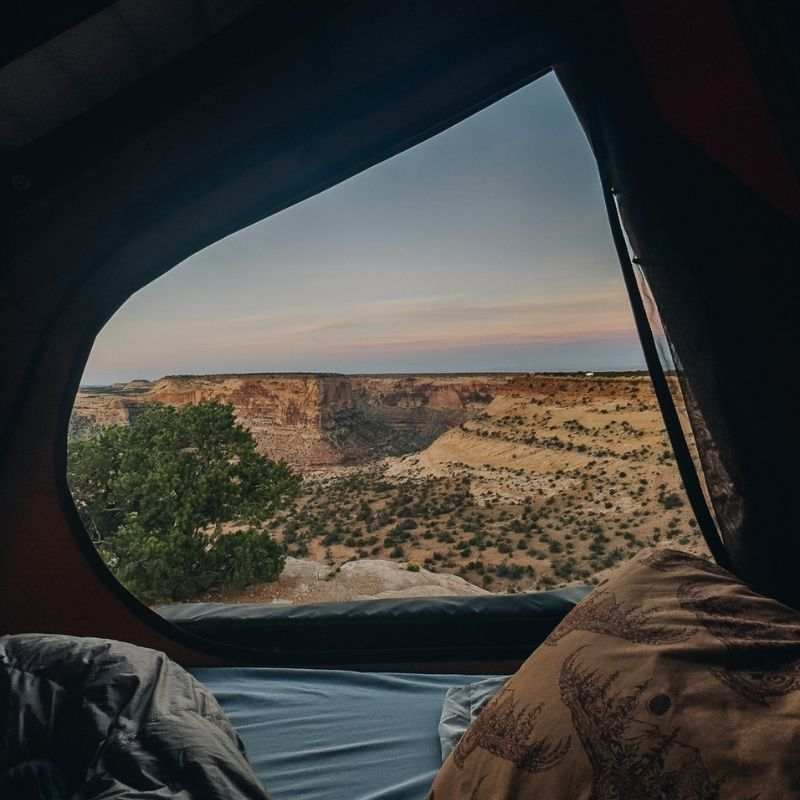
A truly comfortable sleep setup. Recovery, food, and views are all important — but quality sleep dictates everything. If you don’t rest well, the trip suffers. The HEST setup changed that for me.
Are there any features or upgrades you wish you had added (or done differently)?
Honestly, I’m really happy with how the build has turned out. Because it was built in phases and refined through real-world trips, most of the decisions were shaped by actual use rather than assumptions.
If anything, I’ve learned to value simplicity and thoughtful integration over adding more gear. The current setup feels balanced — comfortable, capable, and not overbuilt. That incremental approach allowed the rig to evolve naturally, and as a result, there aren’t any major features I wish I had done differently.
For now, it feels dialed.
Where is the coolest place you have taken your rig?
Banff and Jasper in Canada are right up there as well. The scale of the mountains, glacial lakes, and the ability to move camp through some of the most dramatic landscapes in North America makes that region unforgettable.
And closer to home, the Washington and Oregon coast in winter is hard to beat. Rain tapping on the awning, the heater running inside the camper, and coffee in hand — that kind of quiet, moody weather is where the rig feels completely at home.
Do you have any advice for someone just starting their overland rig build?
Start with your actual use case — not Instagram.Invest in sleep and power first.
Keep weight in mind at every step.
Build in phases.
Don’t rush it — the learning process is part of the experience.
A well-built rig isn’t about having everything. It’s about having exactly what you need.


